Source baby hdpe lotion pump for Body Lotion, Cosmetic, Personal Care
Compare 30 baby hdpe lotion pump options from Guangzhou suppliers. Products feature PP or PET materials, discharge rates from 1.20 to 4.5cc, and are available in white or black with ISO certifications.
Key considerations
Products List




Comprehensive Sourcing Guide
Strategic Sourcing Guide for Baby HDPE Lotion Pumps
Understanding Product Specifications and Material Integrity
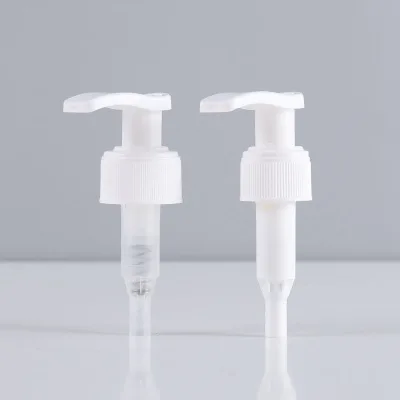
When sourcing lotion pumps specifically for baby care applications, the distinction between the pump mechanism and the bottle material is critical. While the core keyword often references "HDPE" (High-Density Polyethylene) bottles, the pump components themselves are frequently constructed from different polymers to ensure chemical compatibility and mechanical reliability. Based on observed market data, the primary materials identified for these dispensing mechanisms include Polypropylene (PP) and Polyethylene Terephthalate (PET), alongside general plastic classifications. For baby products, the material selection must prioritize non-toxicity and resistance to the specific formulations found in lotions and creams.
The physical geometry of the pump is equally vital. Market observations indicate that these pumps often feature a "Sector" shape, which is designed to fit specific bottle necks and provide ergonomic handling for parents. The discharge rate is a primary technical specification that varies significantly across models. Data shows a range of discharge capabilities, from precise low-volume dispensing at 1.20±0.20ml/T to higher volume outputs of 4.5cc. For baby products, where over-application can lead to waste or skin irritation, pumps with discharge rates between 1.5cc and 2.5cc are often preferred. The closure mechanism is another key attribute, with options available in both "Smooth" and "Ribbed" finishes to ensure a tight seal and prevent leakage during transport.
The following table summarizes the observed technical specifications for lotion pumps relevant to this category:
| Specification Category | Observed Attributes | Relevance to Baby Care |
|---|---|---|
| Material Composition | PP, PET, General Plastic | Determines chemical resistance and safety profile. |
| Discharge Rate | 1.20ml/T, 1.5cc, 2.5cc, 4cc, 4.5cc | Controls dosage; lower rates suit sensitive baby skin. |
| Closure Type | Smooth, Ribbed | Ensures leak-proof sealing for travel and storage. |
| Shape Profile | Sector | Optimizes grip and aesthetic integration with bottles. |
| Model Variants | ZX-156, ZX-046, ZX-161, JD-302A, FS301 | Indicates specific threading and dimensional compatibility. |
| Bottle Neck Size | 24/410, 28/410 | Standard threading sizes for compatibility with HDPE bottles. |
Compliance and Certification Verification
For products intended for infants, regulatory compliance is not merely a preference but a mandatory requirement. The safety of the materials used in contact with baby skin and the potential for ingestion necessitates rigorous verification of certifications. Buyers must verify that suppliers hold valid documentation for international standards. Observed data indicates that suppliers in this sector often possess ISO certifications, specifically ISO 9001 for quality management and ISO 14001 for environmental management.
Beyond general quality standards, specific chemical safety certifications are paramount. The supply chain data highlights the importance of verifying compliance with REACH (Registration, Evaluation, Authorisation and Restriction of Chemicals), California Proposition 65, and US FDA regulations. These standards ensure that the plastic components do not leach harmful substances such as phthalates or heavy metals into the lotion. When evaluating a potential supplier, procurement teams should request current certificates for these specific standards rather than accepting generic "compliance" statements. The absence of these specific certifications should be treated as a high-risk indicator, particularly for baby care products where the margin for error is non-existent.
Cost Drivers and Minimum Order Quantities
The economics of sourcing lotion pumps are heavily influenced by volume and customization. The observed market data reveals a Minimum Order Quantity (MOQ) range spanning from 5,000 to 50,000 pieces. This variance suggests that while some suppliers may accommodate smaller trial runs, the most competitive pricing structures are typically reserved for orders approaching the higher end of this spectrum. For a buyer entering the market, understanding that the unit price is inversely correlated with volume is essential for budgeting.
Customization is a significant cost driver. The availability of custom orders allows for branding and specific design features, but this flexibility often comes with a premium. Suppliers indicate that customization is available, which can include specific colors (such as White or Black), custom packaging, or tailored discharge rates. The packaging itself, often described as "Carton Box" with specific dimensions like 564033cm or 60x37x38cm, adds to the logistical cost. Buyers should note that the single package size and gross weight (e.g., 1.0 kg per unit) directly impact shipping costs, especially when shipping via sea or air. The unit price observed in the market ranges from 0 to 4.5 USD, but this broad range likely reflects the difference between standard off-the-shelf models and fully customized, certified units.
Typical Applications and Functional Requirements
The primary application for these pumps is clearly defined as "Body Lotion" and "Cosmetic" products, with a specific focus on "Bottles" and "Personal Care." The functional requirement for these devices is to serve as "Daily Sprayer Products" that are reliable and user-friendly. For baby care, the "Disposable" nature of some components or the overall design philosophy often leans towards single-use convenience or long-term reliability depending on the bottle type.
A critical functional attribute observed is the "Non Spill" feature. In the context of baby care, where parents may be handling products while caring for an infant, a pump that prevents accidental dispensing is a significant value proposition. The discharge rate capabilities, ranging from 1.20ml/T to 4.5cc, allow for the formulation of different product viscosities. Thinner lotions may require a different pump mechanism than thicker creams, and the selection of the correct model (e.g., ZX-156 vs. FS301) depends on the specific viscosity of the baby lotion being packaged. The "Feature" of being disposable or reusable also plays a role in the environmental impact and cost structure of the final product.
Supplier Evaluation and Origin Considerations
When evaluating potential suppliers, the geographical origin is a key factor. The observed data points to Guangzhou, China, as a primary location for these products. This region is a major hub for plastic manufacturing and packaging, offering a dense ecosystem of suppliers. However, the presence of a specific location does not guarantee quality; it simply indicates the supply chain node. Buyers should verify the "Place of Origin" listed on the product documentation to ensure it matches the actual manufacturing facility.
Supplier evaluation should also focus on the "Sample" availability. The data indicates that samples are "Provided Freely," which is a positive indicator of supplier confidence and a low barrier to entry for buyers. This allows procurement teams to physically test the pump's mechanism, discharge rate, and material feel before committing to a large order. Additionally, the "Selling Units" are often listed as "Single item," which facilitates the sampling process. Buyers should also consider the "Packing" methods, such as "1000PCS/CTN," to ensure that the logistics of receiving and storing the goods align with their warehouse capabilities.
Quality Control and Long-Term Procurement Strategy
Implementing a robust quality control (QC) strategy is essential for maintaining brand reputation, especially in the baby care sector. The "Feature" of the product, such as "Non Spill" and "Disposable," must be consistently met across every batch. Buyers should establish clear acceptance criteria for the discharge rate, ensuring that the variance remains within the observed specifications (e.g., 1.20±0.20ml/T). Regular testing of the closure mechanism for "Smooth" or "Ribbed" finishes is necessary to prevent leakage.
Long-term procurement considerations involve building a relationship with suppliers who can maintain consistency in their "prod_model" and "prod_standard." The data shows various models like ZX-156, ZX-046, and JD-302A, suggesting a diverse product line. A strategic approach involves standardizing on a few specific models that meet all quality and compliance needs to streamline the supply chain. Furthermore, buyers should monitor the "prod_packing" and "prod_standard" dimensions to ensure they remain consistent, as changes in packaging dimensions can disrupt logistics and increase shipping costs.
The availability of certifications like ISO 9001 and ISO 14001 should be part of a long-term audit process. Suppliers should be required to provide updated certificates periodically to ensure ongoing compliance. The "Application" of the pump in "Bottles, Personal Care" requires that the material (PP or PET) remains stable over time and does not degrade when exposed to the specific chemicals in baby lotions. By focusing on these technical and compliance aspects, buyers can secure a reliable supply chain that supports the safety and quality expectations of the baby care market.
Final Procurement Considerations
In conclusion, sourcing baby HDPE lotion pumps requires a meticulous approach that balances technical specifications, regulatory compliance, and cost efficiency. The observed data provides a clear picture of the available options, from the material composition of PP and PET to the specific discharge rates and closure types. Buyers must prioritize suppliers who can demonstrate valid certifications for REACH, California 65, and US FDA standards, as these are non-negotiable for infant products.
The MOQ range of 5,000 to 50,000 pieces necessitates careful planning to optimize inventory costs while maintaining product availability. The availability of free samples allows for thorough testing, which is a crucial step in the selection process. By leveraging the observed specifications and maintaining a rigorous quality control framework, buyers can successfully navigate the market to source high-quality lotion pumps that meet the stringent demands of the baby care industry. The strategic selection of models like ZX-156 or FS301, based on their specific discharge rates and compatibility with 24/410 or 28/410 bottle necks, will ensure a seamless integration into the final product line.
FAQs
What certifications are required for baby lotion pumps?
Suppliers typically hold ISO 9001, ISO 14001, REACH, California 65, and US FDA certifications. These documents verify that materials like PP or PET are safe for infant contact and do not leach harmful chemicals into lotions.
Which discharge rates are suitable for baby care products?
Discharge rates range from 1.20ml/T to 4.5cc depending on the model. Lower rates like 1.5cc or 2.5cc are often preferred for baby care to prevent over-application and ensure precise dosing for sensitive skin.
Can I order custom colors and packaging for these pumps?
Yes, customization is available for colors like white or black and specific packaging types. Buyers can request tailored discharge rates and closure finishes, though this flexibility often influences the minimum order quantity and unit price.
What are the standard bottle neck sizes for these pumps?
The pumps are designed for 24/410 and 28/410 bottle neck sizes. These standard threading dimensions ensure compatibility with common HDPE bottles used in the personal care and baby lotion industries.
How do I verify the material safety of the pump components?
Verify that the material is PP, PET, or general plastic with valid safety certificates. Request current documentation for FDA and REACH compliance to ensure the plastic does not degrade or leach substances when in contact with baby lotions.
What is the typical minimum order quantity for these pumps?
The minimum order quantity ranges from 5,000 to 50,000 pieces depending on the supplier. Smaller trial runs may be possible, but competitive pricing structures are usually reserved for orders approaching the higher end of this spectrum.
Where are these lotion pumps typically manufactured?
Most suppliers are located in Guangzhou, China, which is a major hub for plastic manufacturing. Buyers should verify the specific place of origin on product documentation to ensure the manufacturing facility matches the listed location.